AI and Tech Trends
How coding assistants are changing software development jobs
Discover how AI coding tools are transforming software development roles. Learn practical strategies to boost productivity, enhance team collaboration, and future-proof your coding career with AI.
Advertisement
Why Being an “AI Orchestrator” is the Hottest New Software Job in 2026
Imagine writing code with a collaborator that never takes a break, remembers every library detail, and spots your mistakes before you finish typing. This is the reality with AI coding tools sitting right inside code editors, guiding developers of all skill levels in real time.
Software development jobs are experiencing a profound shift as AI coding tools become commonplace at every stage of the workflow. The lines between novice and expert are blurring as these tools streamline tasks and encourage faster experimentation and learning.
This article explores practical outcomes of using AI coding tools, how they change daily routines, and what skills matter in this new landscape. Let’s dig in to learn which jobs are evolving and how you can adapt or thrive.
Wider Adoption Reshapes Team Dynamics and Developer Value
Deploying AI coding tools in teams means tasks like reviewing code, typing up documentation, and spotting simple bugs can shift to the background. Developers spend less energy on repetitive details and more on big-picture design or unique product logic.
Team dynamics start to evolve: team leads encourage less experienced members to leverage AI coding tools for code suggestions and auto-generated comments, making onboarding easier to manage and accelerating project ramp-ups across the board.
You will be redirected to another website
You’ll receive messages for less than 1 week, with a maximum of 1 message per day. You can unsubscribe anytime by replying STOP. By submitting this form, I confirm that I am 18+ years old and agree to the Privacy Policy and Terms and Conditions. I also provide my signature, giving express consent to receive informational messages via automated emails, SMS, MMS text messages, and other forms of communication. Message frequency may vary as part of our good-faith effort to respond to your inquiry. Message and data rates may apply. Text STOP to cancel. I understand that my consent to receive communications is not a condition of purchase and that I may revoke my consent at any time.
Accelerating New Hire Productivity from Day One
A new developer can join a team, open up their IDE, and instantly access best practice templates or error explanations thanks to AI coding tools present in the editor. They don’t need to memorize every API call or syntax nuance to get started.
This shift removes common time sinks: asking basic questions or searching scattered documentation. Instead, a new hire spends their first week producing working code with fewer mistakes, quickly closing the confidence gap between them and the rest of the team.
A team culture emerges where self-service support is built-in, freeing up senior engineers from constant mentoring. Mentorship still happens but is now more focused on overall architecture rather than basic troubleshooting or syntax guidance.
Code Reviews Evolve With AI Assistance
AI coding tools can flag potential bugs, unsafe code, or missing tests as developers type, acting like a second pair of eyes during early drafts. This drastically cuts down on traditional peer review cycles.
Teams can focus reviews on higher-level issues such as design patterns, business logic, or user experience impacts—rather than formatting or missed semicolons. Developers receive faster, actionable feedback and iterate more quickly, closing tickets in shorter cycles.
The result: better code quality earlier and less developer frustration from nitpicking review comments. AI coding tools thus drive team satisfaction while letting humans focus on creative solutions that deliver user value.
| Team Task | Manual Approach | With AI Coding Tools | What to Try Next |
|---|---|---|---|
| Code Documentation | Typists write inline docs by memory | AI generates comments automatically | Insert AI-generated docstrings and check context accuracy |
| Debugging | Scan logs and run tests line by line | AI spots likely bug roots from error traces | Ask the tool to explain a failed test for new insights |
| API Usage | Dig through official docs for examples | AI suggests API code snippets in context | Copy, run, and tweak AI suggestions for learning |
| Refactoring | Manual review for unclear logic | AI flags unused code, suggests improvements | Run tool’s refactor suggestions, then compare output |
| Testing | Write tests from scratch, covering edge cases manually | AI proposes test templates and edge case lists | Expand suggested tests and verify edge case handling |
Direct Developer Productivity Gains Change Daily Routines
Integrating AI coding tools delivers visible productivity gains by reducing context switching and repetitive typing. Developers can write complex functions more quickly and accurately, focusing energy on architecture and solving deeper problems.
Routine tasks like bug triage, documentation, and writing test stubs now take a fraction of the time. Developers engage more deeply with the creative, high-impact aspects of their job without feeling bogged down by tedious subtasks.
Ways to Streamline Your Coding Sessions
The following strategies show how AI coding tools drive real productivity in daily coding sessions. Try these techniques as you build your workflow to experience firsthand the transformation.
- Accept completion suggestions for repetitive code blocks. This saves time and mental bandwidth, especially with boilerplate code, by letting the tool finish a pattern you started.
- Ask for inline code explanations when working in unfamiliar tech stacks. You’ll understand methods and processes faster, increasing your comfort and confidence with new codebases.
- Utilize automated test generation for new functions. This ensures basic correctness right away, so major logic errors get caught before a human ever reviews the code.
- Highlight blocks of legacy code and request AI readability improvements. This quickly modernizes style and brings consistency to teams working on inherited code.
- Request error trace summaries after failing builds. You’ll save investigation time and can focus efforts immediately on the line or logic that caused the issue.
Each practice above can be adopted gradually. Try one during your next coding session, track results, and build from there for a cumulative productivity boost.
Building Career Resilience by Learning New Collaboration Skills
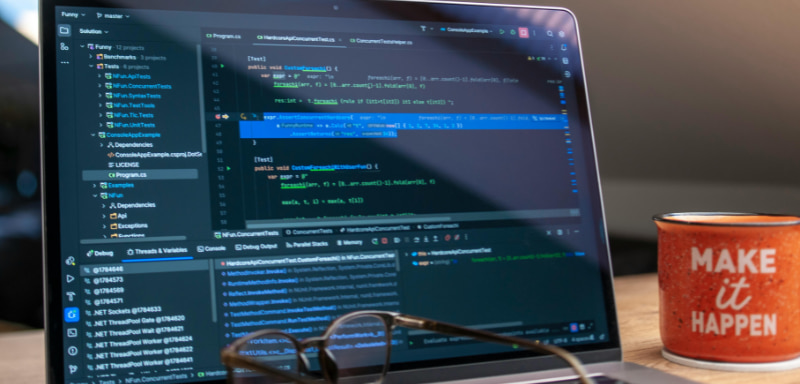
Developers who work with AI coding tools develop complementary skills: requesting accurate code completions, translating AI suggestions into production logic, and validating outputs. These practical micro-skills foster self-sufficiency and adaptability in rapidly changing team environments.
- Practice prompting clearly when seeking complex solutions. AI tools respond to well-phrased prompts with more accurate and helpful outputs, so refine your instructions for specific contexts.
- Evaluate AI-generated changes carefully before merging. Not all output is correct or context aware—spotting subtle mistakes is a crucial skill as AI tools get involved in more workflows.
- Document edge cases missed by the AI to coach teammates and refine tool settings. Sharing lessons builds collective team knowledge about proper tool usage and limitations.
- Encourage open conversation about AI tool missteps. Colleagues may have unique fixes and suggestions for prompt tuning you wouldn’t find alone.
- Regularly update your knowledge of new features in AI coding tools. Iterate your usage patterns to match evolving capabilities, ensuring continued efficiency and relevance at work.
Teams that invest in collaborative prompt writing and error review routines are future-proofing themselves. This turns technical growth into a team sport, even as automation deepens in the industry.
High-Value Coding Tasks Benefit Most from Automation
When you automate low-level work with AI coding tools, your time for intricate system architecture or business logic expands. Developers who focus on these high-value contributions set themselves apart and increase their influence at work.
The result is career advancement potential: fewer hours spent on boilerplate means more capacity for leadership, cross-team consulting, and mentoring responsibilities—roles that AI coding tools aren’t close to replacing.
Prioritize Deep Work and Maintain Creative Edge
Automating repetitive tasks leaves more time for deep work, like optimizing algorithms, refactoring service interfaces, or exploring new frameworks. Developers stay mentally engaged and continue to build unique insights that drive product growth.
It’s similar to using a dishwasher at home: you free up attention from chores, focusing instead on recipes or new skills—except here, the “recipes” are system architecture and innovative feature designs.
Balance is key: rely on AI coding tools for scaffolding, but be hands-on with final logic to preserve critical thinking and creativity in each solution you architect.
Mentoring and Strategic Roles Gain New Tools
Senior developers and architects can delegate initial code reviews, test coverage, or syntax checks to AI coding tools, reserving their calendar for system design workshops, user interviews, or knowledge sharing sessions.
This makes senior roles more about teaching design thinking than inspecting line-level details. Teams benefit from accessible mentorship—new developers review AI suggestions in code review discussions and learn by example.
As experienced engineers shift focus, company knowledge compounds and products are delivered with greater intentionality and speed, allowing senior leaders to operate at their highest value.
Emerging Roles Reward AI Coding Tool Fluency and Oversight
As businesses trust AI coding tools for more daily tasks, a new class of roles emerges—engineers who manage, validate, and oversee the use of these tools within larger development cycles. This is a cue for career growth into tool fluency and technical stewardship.
AI coding tools aren’t infallible. The need for smart oversight creates job openings for prompt engineers, AI code auditors, and workflow integrators who combine programming prowess with tool management expertise. Opportunities in technical leadership abound when you stay ahead of automation trends.
Enabling Smarter AI Workflow Integration in Teams
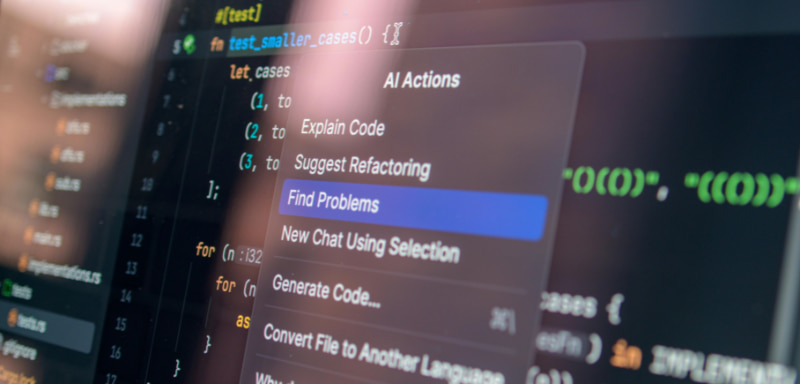
Engineers specializing in workflow automation connect AI coding tools to deployment processes, continuous integration pipelines, or even documentation generators. These experts ensure smooth data flow, maintain code integrity, and optimize human–AI collaboration over time.
Routine reviews of tool output for patterns of error or bias help teams improve user experience and avoid costly mistakes. Such engineers introduce standards and continuously tune integrations as project stakes increase.
This ongoing stewardship role rewards collaborative problem-solving and system thinking—a fruitful path for anyone looking to future-proof their software development career in teams embracing AI coding tools.
Compliance, Security, and Ethical Oversight Take Center Stage
AI coding tools can inadvertently introduce vulnerabilities, propagate outdated practices, or write code that doesn’t conform to evolving privacy laws. Developers who review code for ethical, secure, and compliant behavior are in growing demand.
Teams become more aware of issues such as data leakage through auto-generated code, copyright risks with snippets from public models, or accessibility concerns that escape AI audits. Actively participating in policy shaping becomes an important, visible job function.
Providing thoughtful oversight and advocacy isn’t just about risk mitigation—it also builds trust with non-technical stakeholders, helping your team secure resources and broaden product impact in highly regulated industries.
Continuous Learning Drives Developer Success With AI Coding Tools
Staying informed and adaptable is now integral—developers who rapidly absorb new AI coding tool techniques position themselves at the forefront of software innovation. This culture of constant skill building creates a winning edge in today’s job market.
Whether you’re writing your first script or leading architecture discussions, cultivating fluency with AI coding tools empowers you to focus on strategic work, lower burnout, and increase your market value regardless of economic cycles.
Embrace small, steady experimentation in your day-to-day workflow. As AI coding tools evolve, developers who learn by doing and contribute insights back to their teams will shape the software industry’s future roles and opportunities.
Trending Topics

Job Interviews: How to Handle Difficult Questions
Learn how to handle difficult job interview questions with confidence. From preparation to follow-up, rock your next interview!
Keep Reading
Best Job Search Websites in South Africa for Career Opportunities
Job hunting doesn’t need to be hard. Discover the best local and industry-specific websites to land your next role in South Africa.
Keep Reading
How to Get an Office Assistant Job – Even with No Experience
Discover the skills, tools, and steps you need to get hired as an office assistant in South Africa—even without formal experience.
Keep ReadingYou may also like

Kohl’s Careers and Job Openings: Up to $26/h + Great Benefits!
Discover U.S. job opportunities at Kohl’s. Explore open positions, benefits, and tips to apply for one of America’s top retailers.
Keep Reading
Vacancies at South African Airways: Earn Up to R10,000/Month in Entry-Level Roles
Explore vacancies at South African Airways! Learn how to apply, what roles are open, and which benefits you'll get.
Keep Reading
How to Dress for a Job Interview: Tips to Make a Great First Impression
Learn how to dress for a job interview with simple, professional tips. Look confident, feel ready, and make a great first impression.
Keep Reading
