Tendências de IA e tecnologia
O impacto da IA nas indústrias criativas e novas funções
Descubra o verdadeiro impacto da IA em trabalhos criativos, desde novos modelos de colaboração até o desenvolvimento de habilidades e o crescimento na carreira. Dicas práticas, novas oportunidades de trabalho e exemplos concretos para todos os profissionais criativos.
Anúncios
A Revolução Criativa da IA: Novos Papéis e Oportunidades em 2026
Imagine trabalhar ao lado de uma máquina que inspira e acelera seu processo criativo — isso não é uma possibilidade distante, mas uma realidade em áreas transformadas pela IA em trabalhos criativos. Estúdios de animação, equipes de marketing e ilustradores independentes agora consideram a IA tanto como colaboradora quanto como catalisadora, mudando a forma como o trabalho criativo se desenvolve.
Com o progresso tecnológico constante, os criativos em todo o mundo adaptam suas habilidades e fluxos de trabalho. A discussão sobre IA em trabalhos criativos vai além da simples perda ou automação: trata-se de transformação, oportunidade e um novo modelo colaborativo entre a intuição humana e o resultado algorítmico.
Tem curiosidade em saber como os artistas combinam IA com caneta e papel, ou como os cineastas usam roteiros gerados por IA? Este guia explora os efeitos tangíveis da IA em trabalhos criativos, medidas práticas para se manter relevante e novas funções que estão surgindo em todos os setores criativos.
Você será redirecionado a outro site
As mudanças impulsionadas pela IA redefinem as funções criativas e as tarefas diárias.

Quem trabalha com mídia, artes ou entretenimento se depara com ferramentas rotuladas como "IA". Hoje, entender o impacto delas significa compreender as mudanças reais no fluxo de trabalho, observadas diariamente em quadros de projetos e chats de equipe.
No design gráfico, por exemplo, assistentes de design com inteligência artificial agora sugerem paletas de cores ou protótipos quase instantaneamente. Embora a criatividade continue sendo humana, as iterações são mais rápidas e o feedback mais específico, moldando o próprio ritmo dos trabalhos criativos.
Colaboração entre a criatividade humana e o fluxo de trabalho da IA
Imagine um artista de storyboard esboçando um personagem e, em seguida, solicitando a uma ferramenta de IA que sugira dez figurinos alternativos. O resultado? Inspiração mais ampla, menos bloqueios criativos e mais tempo para refinar a direção da narrativa.
Isso não é uma substituição. Em vez disso, as ferramentas de IA enriquecem a fase de brainstorming, sugerindo novas perspectivas ou formatos. No contexto de IA em trabalhos criativos, usar essas ferramentas é como ter um estagiário com paciência infinita e memória digital.
Os designers agora transitam entre esboçar, orientar e modificar — uma dança tripla que acelera o que antes parecia lento e solitário. Clareza sobre os papéis e a intenção é fundamental: a criatividade humana ainda lidera, com a IA ampliando, em vez de assumir, o processo.
Automatização de tarefas criativas repetitivas
Tarefas rotineiras de produção — como redimensionar imagens, filtrar vídeos ou transcrever áudio — antes levavam horas por projeto. A IA em trabalhos criativos realiza essas tarefas instantaneamente, liberando os artistas para atividades de alto valor agregado que exigem discernimento e bom gosto.
Imagine, por exemplo, que um editor recebe um arquivo de vídeo bruto. A IA remove silêncios constrangedores e pequenos erros antes que o editor humano dê forma à versão final do vídeo. Esse fluxo de trabalho híbrido permite que os profissionais se concentrem onde seus instintos realmente se destacam.
Para diretores criativos e gerentes de projeto, o versionamento automatizado significa menos gargalos e menos esgotamento. Como resultado, o moral da equipe passa da monotonia para o pensamento criativo orientado a objetivos, um ganho direto para todos os envolvidos.
| Função do cargo | Tarefa com IA | Entrada humana | Próximos passos |
|---|---|---|---|
| Edição de vídeo | Silêncio de corte automático | Direcionando o fluxo da cena | Pré-visualização e substituição de cortes de IA |
| Redação publicitária | Geração de rascunhos | Edição de voz e marca | Verificar os fatos e refinar o tom. |
| Ilustração | Sugestões de estilo | Esboce e finalize os formulários. | Integrar ou rejeitar os resultados da IA |
| Mixagem de música | Análise de ritmo/humor | Ajustes finais de mixagem e efeitos | Experimente com caules gerados por IA |
| Marketing | Previsão de tendências | Elaboração de mensagens | Combine dados com a visão da campanha. |
As competências se adaptam à medida que a IA remodela o trabalho criativo.
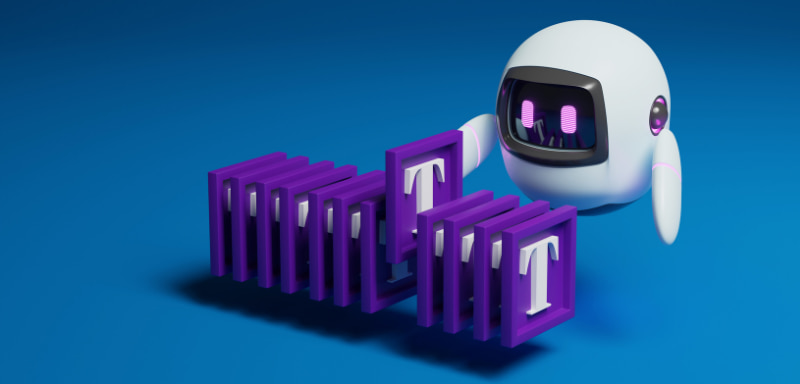
Para se destacarem, os profissionais criativos agora se concentram menos em fazer tudo manualmente e mais em direcionar a tecnologia para atender a objetivos humanos. Praticar essa mudança garante uma carreira promissora em IA aplicada à criação.
Aprender a usar novos sistemas pode parecer assustador. No entanto, cada ferramenta oferece um ponto de partida simples. Comece testando comandos de IA que se adaptem ao seu estilo único, em vez de copiar modelos ou vozes genéricas.
Ampliando seu conjunto de ferramentas: combinando tradição e tecnologia
Você não precisa abandonar tudo o que é analógico. Em vez disso, encare a IA como um complemento: experimente gerar rascunhos, mas sempre revise usando esboços tangíveis ou rascunhos manuscritos para garantir autenticidade no uso da IA em trabalhos criativos.
- Experimente combinar layouts sugeridos por IA com suas próprias edições manuais: isso amplia seu acervo visual, mantendo seu estilo característico em evidência e garantindo que seus clientes estejam confiantes na sua direção.
- Use a legenda automática como base e, em seguida, insira seu humor ou tom: economiza horas, mas preserva sua personalidade — algo crucial para conteúdo social atraente em IA em trabalhos criativos.
- Compare duas locuções geradas por IA e, em seguida, combine ou reescreva trechos para obter o efeito desejado: você mantém o engajamento do público elevado com um esforço mínimo em edições básicas.
- Aplique as sugestões de correção de cor como uma camada de teste, não como a versão final: você continua no controle, usando a IA como um painel de inspiração em vez de um filtro final.
- Gere as faixas individuais como ponto de partida, mas organize-as manualmente: os ouvintes se conectam quando a música carrega uma intencionalidade e uma sensação humana de ritmo por trás de cada compasso ou pausa.
A combinação de novas ferramentas digitais com instintos tradicionais multiplica seu valor e autonomia criativa para o uso de IA em trabalhos criativos.
Desenvolver resiliência e adaptabilidade em sua função.
Encare a mudança com curiosidade, não com ansiedade. Cada atualização de IA traz novos fluxos de trabalho. Aprenda ativamente: o que levava horas há dois anos agora pode ser um teste de dois minutos, resultando em criações mais inovadoras e mais tranquilidade entre projetos.
- Agende sessões semanais de 20 minutos para experimentar novos recursos de IA: isso evita a sobrecarga e mantém suas habilidades em sintonia com as ferramentas mais recentes do mercado para IA em trabalhos criativos.
- Ofereça-se para pilotar projetos baseados em IA em sua equipe: isso posiciona você como um solucionador de problemas com visão de futuro, ao mesmo tempo que lhe proporciona fluxos de trabalho mais ágeis e oportunidades de colaboração mais amplas.
- Compare seus projetos anuais — antes e depois de usar IA — para acompanhar o que economiza tempo, mas ainda mantém um toque pessoal: é uma prova direta do progresso que gera confiança e engajamento tanto de colegas quanto de clientes.
- Mantenha um caderno com dicas e atalhos de IA: ao longo dos meses, você perceberá padrões que funcionam melhor para sua especialidade e evitará perder tempo reaprendendo etapas quando os projetos se acumularem.
- Oriente um colega no uso de uma ferramenta de IA que você já conhece: compartilhar conhecimento consolida seu próprio aprendizado e ajuda sua equipe a avançar em conjunto, reduzindo os riscos de ficar para trás em IA em trabalhos criativos.
Encarar a tecnologia como uma colega, em vez de uma rival, muda não apenas suas habilidades, mas também sua satisfação no trabalho e o valor percebido no campo criativo em geral.
Surgimento de funções criativas híbridas e dinâmicas de equipe
Novos títulos de cargos e estruturas de equipe surgem todos os meses. Funções híbridas combinam habilidades criativas clássicas com manipulação de dados, redação de roteiros ou "coaching" de sistemas de IA. Adaptabilidade e comunicação agora são tão valiosas quanto o domínio técnico em IA em trabalhos criativos.
Colaborar de forma integrada com humanos e ferramentas inteligentes significa compreender uma nova etiqueta de equipe: quando intervir, quando recuar ou quando pedir uma "segunda opinião" da IA antes de finalizar as decisões.
Parcerias rápidas entre arquitetos e tecnólogos criativos
As vagas de emprego agora mencionam o cargo de "arquiteto de prompts" — alguém com alta intuição linguística que cria diretrizes de IA para roteirização ou identidades de marca. Pense nisso como competir em um jogo de linguagem todos os dias, onde os detalhes determinam o sucesso na IA em trabalhos criativos.
Os tecnólogos criativos combinam lógica visual com conhecimento técnico. Sua mentalidade de "vamos testar esse algoritmo" significa que as ideias podem ser ampliadas sem perder a criatividade ou a autenticidade da marca, algo vital tanto em agências de ritmo acelerado quanto em consultorias.
Ambas as funções prosperam em ambientes interdisciplinares. As interações diárias são menos sobre sessões isoladas de brainstorming e mais sobre transformar a criatividade do grupo em ativos escaláveis e orientados por dados, utilizando a IA em trabalhos criativos com máxima eficácia.
A narrativa combina intuição com poder computacional.
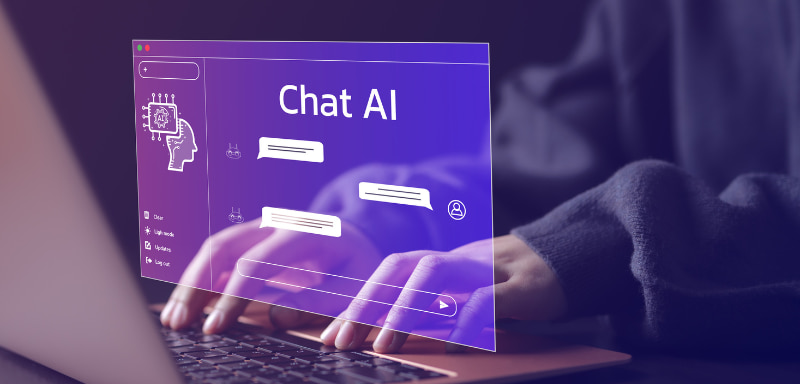
Roteiristas de cinema e jogos agora planejam múltiplos finais, simulando arcos de personagens por meio de análise de IA. Esse processo mantém a estrutura do roteiro impecável, ao mesmo tempo que acelera os rascunhos criativos em comparação com métodos manuais e lineares.
Os roteiristas de diálogos usam modelos de reconhecimento de padrões para analisar as falas e perguntar: isso soa como nossos personagens? Quando os modelos acertam, as equipes economizam semanas de revisões e edições de roteiro, criando tempo para um desenvolvimento narrativo mais profundo.
Utilizar IA como "consultora de histórias" facilita discordâncias construtivas. Em vez de discutir gostos, as equipes apresentam direções alternativas instantaneamente, testando qual versão agrada mais ao público-alvo.
Portfólios digitais e branding de carreira evoluem com a integração da IA.
Para profissionais criativos que desejam se destacar, a autopromoção significa mostrar a colaboração com IA — e não apenas trabalhos finalizados. Portfólios revelam ideias iniciais, detalhamento do processo criativo e como a tecnologia influenciou a direção artística final em projetos de IA na área criativa.
Agora, as candidaturas a vagas de emprego pedem histórias sobre testes com IA: O que deu errado? Como você resolveu o problema? O invisível se torna valioso: a capacidade de revisar, recuperar e direcionar projetos criativos quando as ferramentas generativas agem de forma imprevisível.
Demonstrar o processo, e não apenas o produto, aos empregadores.
Os candidatos ganham vantagem ao enviar amostras de antes e depois: BAM! Aqui está um rascunho, aqui está a revisão da IA e aqui está minha avaliação. Mostrar aos empregadores esse processo demonstra tanto agilidade técnica quanto intenção criativa na aplicação da IA em trabalhos criativos.
Vídeos de portfólio combinam capturas de tela, narração em off e comparações lado a lado. Recrutadores percebem sinais de alerta se você mostrar apenas resultados finalizados sem contexto do processo: transparência é sinônimo de empregabilidade, agora mais do que nunca.
A nova regra: mostre como você pensa e resolve problemas em tempo real. Uma demonstração de três minutos pode revelar dez vezes mais do que uma imagem estática em JPEG ou uma animação silenciosa jamais conseguiria.
Aproveitando a IA para aprendizado contínuo e crescimento da marca
Utilizando análises baseadas em IA, os freelancers identificam suas publicações, campanhas ou peculiaridades de edição mais impactantes. Esse feedback reduz os ciclos de tentativa e erro, permitindo que os criativos ajustem rapidamente o tom e a direção de sua marca em trabalhos criativos com IA.
Ilustradores iniciantes realizam testes rápidos e, em seguida, perguntam à sua comunidade online: quais designs geram mais engajamento? Combinar as tendências de IA com o feedback direto do público orienta mudanças mais inteligentes que aumentam a visibilidade da marca pessoal.
Uma identidade visual clara transmite confiabilidade. Demonstrar domínio da IA não é apenas inteligente — é essencial para quem almeja fechar grandes contratos ou obter promoções internas em empresas digitalmente avançadas.
As expectativas dos clientes e os modelos de colaboração estão mudando.
Os clientes esperam prazos de entrega rápidos e inúmeras opções. Ao usar IA em trabalhos criativos, os profissionais conseguem oferecer uma variedade maior e detalhes personalizados em tempo recorde — desde que expliquem o valor agregado por trás de cada iteração ou sugestão.
As conversas também mudaram: em vez de "Você consegue entregar isso até sexta-feira?", pergunta-se "Como a IA pode nos ajudar a visualizar mais variações, mais rapidamente?". Além da velocidade, a transparência sobre o processo agora faz parte de todas as apresentações e propostas.
Apresentando ideias criativas usando protótipos de IA
Freelancers e agências compartilham protótipos interativos ou vídeos de demonstração filmados por IA. Os clientes fornecem feedback em tempo real, anotando prévias digitais e solicitando alterações rápidas. Esse ciclo colaborativo só é possível quando a IA responde tão rápido quanto a imaginação do cliente em trabalhos criativos.
Ao apresentar opções geradas por IA aos clientes, os criativos educam os compradores sobre os benefícios e as limitações. Orientar as expectativas desde o início constrói uma relação de confiança duradoura, evidenciando o toque único que só os humanos ainda podem proporcionar.
Alguns clientes inicialmente se mostram receosos em relação à IA. Uma boa solução é sempre incluir uma "revisão humana" — um toque ou aprimoramento deliberado que demonstra empatia, sagacidade ou perspicácia impossíveis de reproduzir algoritmicamente.
Manter seu estilo característico enquanto aumenta a produção.
Para evitar uma aparência genérica e "artificial", os criadores salvam bibliotecas de cores, gestos ou motivos com a marca da empresa. Esses elementos são inseridos em cada rascunho gerado por IA, garantindo que o trabalho final carregue sua identidade visual, mesmo que o processo utilize automação com IA em tarefas criativas.
Reuniões regulares com o cliente evitam desvios de estilo. Use painéis de inspiração, kits de referência ou edições de demonstração ao vivo como pontos de verificação antes da criação de materiais em larga escala. Inclua uma cláusula nos contratos que esclareça que “os elementos característicos permanecem sob controle criativo”.
Com o tempo, essas práticas reduzem a ansiedade do cliente e consolidam seu papel como um colaborador insubstituível — e não apenas como a pessoa que utiliza os plugins ou pacotes de prompts mais recentes.
Caminhos de aprendizagem e recursos para aprimorar a criatividade impulsionada por IA
Investir em aprendizado autodirigido em IA para trabalhos criativos ajuda você a acompanhar as mudanças constantes. Existem dezenas de cursos online, webinars e comunidades voltadas para IA criativa — que abrangem desde técnicas para iniciantes até as mais avançadas.
Siga um roteiro prático: comece com um curso básico, depois participe de um grupo de aprendizado específico (como edição de filmes com inteligência artificial ou geração de poesia), compartilhando sucessos e dificuldades ao longo do processo.
A mentoria e a aprendizagem entre pares aceleram o desenvolvimento de competências.
Evite aprender sozinho: faça dupla com um colega ou participe de uma associação profissional que adote IA em trabalhos criativos. Trocas regulares de conhecimento — como breves demonstrações ou feedbacks — aumentam a retenção e revelam rapidamente lacunas no fluxo de trabalho.
Faça perguntas como: "Qual atalho te economizou uma hora esta semana?" ou "Qual exercício não funcionou e por quê?". Vulnerabilidade e curiosidade desbloqueiam soluções criativas mais rapidamente do que a prática individual isolada.
Fóruns online ou grupos de coworking oferecem "desafios instigantes" regularmente. Competir ou colaborar em um projeto compartilhado desmistifica ferramentas intimidantes e incentiva a inovação baseada em demandas do mundo real.
Ferramentas de teste e definição de metas de aprendizagem pessoal
Defina metas de curto prazo: aprenda um novo fluxo de trabalho de automação por mês para IA em trabalhos criativos, idealmente um diretamente relacionado a um projeto urgente ou a uma solicitação de cliente. Quanto mais próximo do seu dia a dia, mais rápido você consolidará o hábito.
Não se comprometa demais: escolha duas ou três plataformas que correspondam à sua especialidade e domine-as antes de expandir para outras. Use versões de teste ou recursos da comunidade para minimizar as despesas durante a fase de experimentação.
Documente os resultados: após cada experimento, anote o que funcionou e o que não funcionou — capturas de tela ou pequenos diários em vídeo ajudam outras pessoas a aprender e promovem um ambiente rico em feedback.
Novas oportunidades e lembretes importantes para o futuro.
A chegada da IA às indústrias criativas marca uma mudança fundamental na forma como o trabalho original é concebido, produzido e comercializado. A expressão "IA em trabalhos criativos" agora significa adaptação constante, aprendizado contínuo e autonomia criativa.
Em vez de temer a substituição, encare essas tecnologias como parceiras projetadas para multiplicar — e não diminuir — sua capacidade profissional. É uma prática de equilibrar intuição e inovação em cada etapa, do primeiro esboço à entrega final.
Aqueles que prosperarem serão os que estiverem dispostos a mostrar seu processo, acolher o feedback dos colegas e manter a curiosidade sobre as próximas ferramentas, tendências ou estruturas de equipe. Todo criativo, do freelancer ao diretor da agência, tem um papel a desempenhar na construção dessa narrativa.
Em Alta

Vagas na Home Depot: Salários de até £1.000 a £25 por hora + ótimos benefícios.
Um olhar sobre o dia a dia de trabalho na The Home Depot, onde perguntas, ferramentas e prioridades em constante mudança moldam a maneira como os funcionários adquirem experiência e confiança.
Continue lendo
Como se destacar no processo de contratação de grandes empresas
Aprenda como se destacar ao se candidatar a grandes empresas. Descubra estratégias comprovadas para aprimorar seu currículo e ter sucesso em entrevistas.
Continue lendo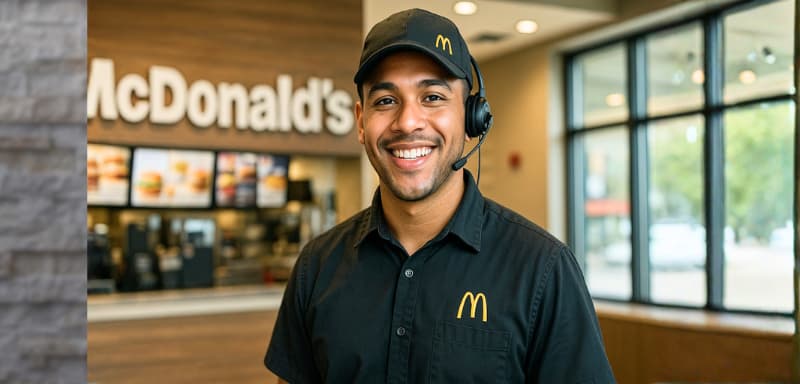
O McDonald's está contratando: Ganhe benefícios + até £1.000 por hora
Descubra por que o McDonald's continua sendo uma escolha popular, com funções voltadas para o desenvolvimento de habilidades, líderes que oferecem suporte e um ritmo diário positivo.
Continue lendoVocê também pode gostar

Como começar a trabalhar como motorista de entrega na África do Sul
Aprenda como se tornar um motorista de entrega na África do Sul. Comece rápido com este guia para iniciantes, sem necessidade de experiência.
Continue lendo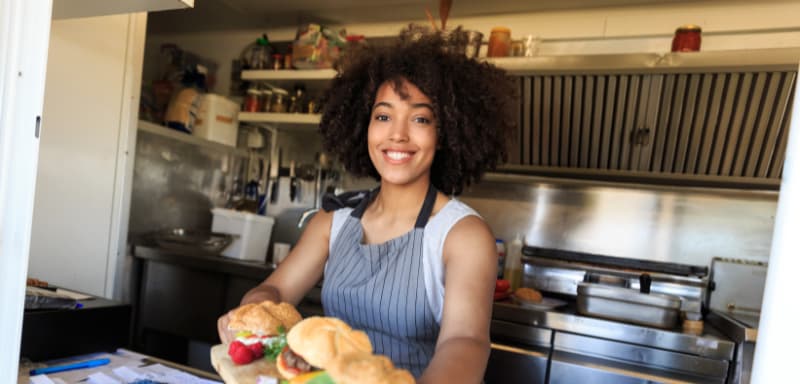
Trabalhando na Indústria de Fast Food: Dicas para Sucesso e Crescimento
Aprenda como começar a trabalhar em fast food na África do Sul. Não é preciso experiência — apenas uma boa atitude e este guia passo a passo para iniciantes.
Continue lendo
Como se vestir para uma entrevista de emprego: dicas para causar uma ótima primeira impressão
Aprenda a se vestir para uma entrevista de emprego com dicas simples e profissionais. Pareça confiante, sinta-se preparado e cause uma ótima primeira impressão.
Continue lendo
