AI and Tech Trends
The growing demand for data privacy and AI ethics experts
Explore real job examples, actionable learning steps, and proven ways to break into these rewarding new fields.
Advertisement
AI Ethics and Data Privacy: The New Frontiers of Professional Tech Careers
Scrolling through tech news, you might spot headlines about AI gone wrong or privacy breaches making waves. What’s behind this surge in chatter? Increasingly, AI ethics careers are stepping into the spotlight as both businesses and individuals call for guides in this evolving landscape.
The issue hits home for anyone whose data moves through a digital world. As artificial intelligence grows more sophisticated, our personal and professional spaces rely on experts who understand data privacy and responsible AI practices. Talking about AI ethics careers isn’t just timely—it’s essential.
Read on to uncover why this demand keeps rising, where the top opportunities are, and how to jumpstart your own journey into AI ethics careers. Whether you’re a newcomer or a tech veteran, there’s a concrete way forward.

Diverse Skill Sets Fuel Growing AI Ethics Careers
Pinpointing your path means recognizing how diverse backgrounds contribute to AI ethics careers. Legal, technical, and policy know-how combine to help organizations avoid pitfalls while building trust with users or customers.
Specialists who blend programming skills with strong ethical frameworks are especially valuable. These professionals review algorithms, flag risks, and suggest improvements—making them indispensable for businesses handling user data.
You will be redirected to another website
You’ll receive messages for less than 1 week, with a maximum of 1 message per day. You can unsubscribe anytime by replying STOP. By submitting this form, I confirm that I am 18+ years old and agree to the Privacy Policy and Terms and Conditions. I also provide my signature, giving express consent to receive informational messages via automated emails, SMS, MMS text messages, and other forms of communication. Message frequency may vary as part of our good-faith effort to respond to your inquiry. Message and data rates may apply. Text STOP to cancel. I understand that my consent to receive communications is not a condition of purchase and that I may revoke my consent at any time.
Algorithm Auditors: The Watchdogs of Bias
Employers now assign dedicated teams to examine algorithmic decisions. A typical day involves probing machine learning models for hidden patterns that could unintentionally discriminate.
Members of these review groups merge statistics acumen and social awareness. They catch trends others might miss, sometimes by simulating real-world scenarios or applying stress tests to new code before deployment.
When a system flags too many job applicants with certain backgrounds for rejection, auditors investigate why. They don’t just tweak code—they update company policies or call for deeper transparency to prevent it recurring.
Privacy Engineers: Implementing Practical Safeguards
Privacy engineers map out how personal data flows through systems, flagging weak points before trouble hits. They configure encryption, redaction, and access controls so only authorized users can see sensitive information.
Their routines might include walking teammates through compliance checklists or running hands-on training sessions. Their technical solutions are seldom one-size-fits-all, as regulations shift and business needs evolve.
For instance, when engineers finish adding new customer data fields, privacy experts double-check consent language. This ensures companies both meet data requirements and respect user expectations—critical for sustaining trust and compliance.
| Role | Core Skills | Main Industries | Action to Get Started |
|---|---|---|---|
| Algorithm Auditor | Stats, ethics, code review | Tech, finance | Take AI ethics courses online |
| Privacy Engineer | Encryption, compliance, DevOps | Healthcare, retail | Join privacy communities and training |
| Policy Analyst | Law, research, public speaking | Government, think tanks | Volunteer for policy analysis projects |
| AI Product Manager | Risk assessment, product dev | Enterprise software | Shadow AI product teams at work |
| Ethics Consultant | Consulting, communication | Consulting firms | Attend ethics and compliance events |
Everyday Tools to Jumpstart Your AI Ethics Career Path
Getting traction in AI ethics careers means rolling up your sleeves with practical learning and practice. Courses, mentorship, and hands-on projects make theory click quickly.
Enrich your skill set not just by studying, but by actively building things—tinker with open-source AI tools, audit a small dataset, or set up a privacy review for a volunteer project.
Self-Guided Training Options That Work
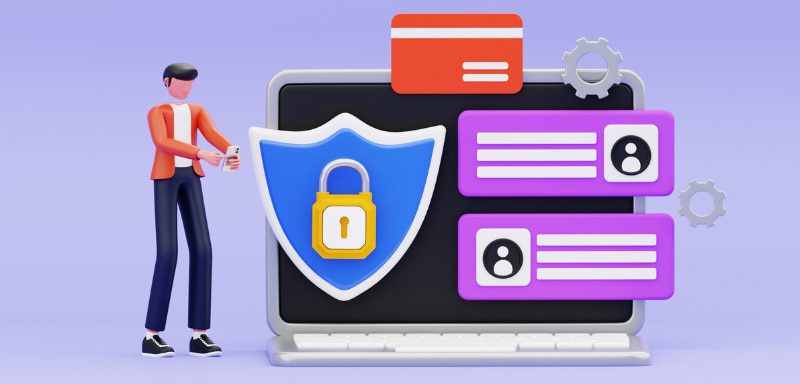
Not everyone has the time for formal degrees. Jumpstart your studies with self-paced programs, webinars, or podcasts focused solely on data privacy and AI ethics careers. These options support consistent learning around your schedule.
- Sign up for a reputable AI ethics course: Many platforms offer credentialed bootcamps, making it easy to absorb the foundations of data privacy, risk, and AI governance while forming professional habits.
- Routinely review ethical case studies: Break down public failures and successes in high-profile AI deployments, so you recognize patterns and solutions emerging in the real world.
- Subscribe to field newsletters: They arrive weekly with new regulations, technical advances, and job openings—keeping you plugged in for emerging trends relevant to AI ethics careers.
- Practice implementing responsible data techniques: Play with anonymization, fairness testing, and consent management—even simple exercises give confidence that sticks with you on an actual job.
- Pair up with a study buddy: Accountability boosts engagement and motivators—swap feedback, challenge unethical assumptions, and brainstorm how you’d tackle tough workplace scenarios together.
Mixing structured training and experimentation not only builds capability but creates stories you can share with future employers. Show them what you’ve made, not just what you know.
Cultivating Industry Connections Early On
Build your professional network intentionally with AI ethics careers in mind. Target newsletters, events, and digital forums where active practitioners hang out, then reach out or comment on their work.
- Attend local meetups or webinars: Meeting those working in AI policy or data privacy exposes you to best practices, networking opportunities, and sometimes even direct job leads.
- Share your progress online: Blog posts or short videos about your projects spark constructive feedback and demonstrate your commitment to responsible AI work—a plus for hiring managers.
- Join ethics-focused open-source projects: Collaborating lets you put skills into action while learning from seasoned experts and building a portfolio employers can browse.
- Ask to shadow an internal auditor: Many companies support learning, letting you observe real audits or assessments first-hand. Shadowing uncovers how day-to-day job decisions unfold.
- Stay active in professional groups: Many societies for computer science, law, and engineering host public discussions on AI challenges. Consistent participation boosts both your expertise and job chances.
Use networking as an extension of learning—each connection shows a fresh angle on AI ethics careers, guiding you toward skills and niches you might not consider otherwise.
Organizations Raising the Bar for Data-Responsible AI Practices
Sometimes, the best insights come from those already reshaping their industries. Top companies and nonprofits exemplify AI ethics careers by embedding fairness and privacy into everyday workflows.
Firms making headlines for responsible AI are rarely perfect; what matters is their ongoing commitment. These trailblazers set recruiting standards, publish frameworks, and commission audits to keep operations above board.
Innovation Hubs Modeling Transparency
Some companies make their entire AI systems open to review by both experts and the public. This radical transparency invites scrutiny, catching errors and biases fast—and builds trust with communities who use their technologies.
Staff in these organizations advance AI ethics careers by releasing whitepapers or organizing public forums. Their tips? “Document everything,” urges a senior algorithm auditor, “and invite dissent. Constructive pushback keeps us accountable.”
Transparency isn’t a one-off event: teams conduct regular review sessions, incorporating feedback into future work. These habits raise the bar for what responsible AI should mean at scale.
Impactful Partnerships Driving Better Outcomes
Another seat of progress: cross-sector partnerships that unite academia, businesses, and advocacy groups. These coalitions design standards around privacy, fairness, and safety—applying lessons quicker than lone entities.
By contributing to global policy drafts or pilot programs, professionals see how local changes spread worldwide. For instance, standardizing data encryption through a school partnership accelerates improvements across dozens of apps.
Partnerships also level up AI ethics careers by offering mentorships, joint internships, and published research—boosting your visibility and impact beyond company walls.
Everyday Decision-Making in Data Privacy and Ethics

Breaking big concepts into daily actions bridges theory and workplace reality. Top professionals make sure that everyone understands how their choices ripple out, from project managers down to interns joining AI ethics careers.
Failures rarely come from a single bad actor. Usually, it’s a string of overlooked details—like an engineer skipping an audit or a leader rushing a product launch. Pinpointing these moments builds resilient teams.
Communication Scripts for Raising Concerns
When privacy or fairness feels threatened, knowing how to speak up matters. A sample script: “I noticed this recommendation system skews toward certain communities. Can we revisit the data used to build it?”
Even body language cues can bolster your point—maintaining eye contact and an open stance signals confidence and invites respectful discussion from technical and non-technical peers alike.
Use analogies when possible: “If this was a traffic light controlling crosswalks, would we let it skip certain people? Let’s pause and test for that.”
Micro-Interventions That Prevent Harm
AI ethics careers thrive on quick, regular checks—like reviewing random data samples every Friday or running semi-automated bias tests before model updates. This habit catches small risks before they snowball.
Try flagging potential issues as soon as you spot a pattern or trend—don’t wait for formal meetings. “I’m noticing more false positives with this data,” is a simple phrase that brings in fresh eyes early.
Share lessons after each intervention. “We found a skew in age data; now, let’s record the fix for the next build.” Documenting these steps strengthens team memory and bakes in accountability, key for sustainable AI ethics careers.
Sustainable Careers Rest on Everyday Integrity
Professional journeys in AI ethics careers demand curiosity, vigilance, and willingness to evolve. Each decision, big or small, shapes the reputation of both companies and individuals navigating this fast-changing field.
The need for trustworthy guardians—those blending technical, legal, and social expertise—will only intensify. Your readiness to ask hard questions and prioritize transparency makes you a cornerstone in this collective effort.
Set your sights not just on new skills, but on building habits of responsibility. The most enduring impact comes from what you do when no one is looking—a reminder that AI ethics careers reward integrity above all else.
Trending Topics

Unilever Careers: Starting Payings Above $20/h
Unilever is hiring nationwide! Find job openings, benefits, and application tips to join one of the world’s top companies.
Keep Reading
Amazon is Hiring: Warehouse Roles Paying up to $100k/year
Discover Amazon careers in the U.S. See vacancies, benefits, and growth opportunities in one of the country’s largest employers.
Keep Reading
How to Stand Out in the Hiring Process of Big Companies
Learn how to stand out when applying to big companies. Discover proven strategies to improve your resume and succeed in interviews.
Keep ReadingYou may also like

Starbucks Jobs: Career growth, Benefits + up to $24/h
See how Starbucks shapes responsibilities, team dynamics and growth possibilities through structured training and stable routines.
Keep Reading
Starting a Career as a Cleaner: A Practical Guide to Getting Started Successfully
Starting a career in cleaning can give you steady work and room to grow. This guide shows how to find jobs, build skills, and move forward.
Keep Reading
DHL Jobs South Africa: Start Earning from ZAR 12K a Month
Looking for stable work without a degree? DHL offers entry-level jobs in South Africa with salaries above ZAR 14,000. Learn how to apply.
Keep Reading


