Tendências de IA e tecnologia
Por que as habilidades interpessoais são mais importantes do que nunca em um mundo impulsionado pela IA
Descubra maneiras práticas de se destacar na era das habilidades interpessoais na era da tecnologia. Este artigo explica como a inteligência emocional, a comunicação e a adaptabilidade o diferenciam em um ambiente de trabalho impulsionado pela IA — leia para obter dicas concretas.
Anúncios
A era da IA exige empatia: domine as habilidades interpessoais para o crescimento na carreira.
Imagine um escritório onde robôs cuidam de planilhas, a automação gerencia o agendamento e o entusiasmo em torno da era da tecnologia voltada para as habilidades interpessoais cresce discretamente. O motivo? A tecnologia não consegue preencher todas as lacunas — pelo menos não ainda.
Comunicação, trabalho em equipe e empatia estão ganhando destaque. Sua importância na era das habilidades interpessoais na era da tecnologia cresce a cada conversa no ambiente de trabalho, a cada reunião virtual, a cada projeto colaborativo. Exige-se que sejamos adaptáveis e humanos nos espaços digitais.

Se você quer prosperar em um ambiente onde a IA cuida das tarefas rotineiras, este artigo explica como é na prática a era da tecnologia voltada para as habilidades interpessoais, onde concentrar seus esforços e como a verdadeira mudança começa hoje.
Você será redirecionado a outro site
Aprimorando as competências humanas onde a automação falha
A era da tecnologia focada em habilidades interpessoais oferece uma perspectiva inovadora: sua personalidade e adaptabilidade são os diferenciais claros, enquanto os algoritmos fazem o resto. Você descobrirá métodos claros e práticos para desenvolver essas vantagens.
Duas lacunas cruciais — empatia e colaboração criativa — constantemente atrapalham a IA, criando espaços onde os humanos assumem a liderança por padrão. Saber como agir nesse contexto se torna seu diferencial competitivo.
O toque humano nos fluxos de trabalho digitais
Observe o que acontece em uma sessão de brainstorming: a IA consegue organizar ideias, mas não consegue realmente perceber entusiasmo, confusão ou frustração não expressos em palavras. Na era da tecnologia voltada para o desenvolvimento de habilidades interpessoais, você conduzirá essas conversas interpretando sinais silenciosos e impulsionando o grupo para frente.
A iniciativa de ajudar quando a energia da equipe diminui ou a pausa para esclarecer dúvidas não são ações que seguem um roteiro. Requerem atenção às expressões faciais e capacidade de adaptar as respostas — habilidades que a IA não consegue simular. Os colegas se lembram de quem ajudou, resolvendo atritos antes que se agravem.
Imagine conduzir uma reunião onde a ideia de uma pessoa introvertida é delicadamente trazida à tona depois de você perceber sua hesitação. Essa é a era da tecnologia para o desenvolvimento de habilidades interpessoais na prática — agir em momentos que a inteligência artificial ignoraria.
Construindo confiança na colaboração digital
Ambientes de trabalho remotos prosperam com base na confiança construída por meio de credibilidade, transparência e valores compartilhados. Nesta era tecnológica focada em habilidades interpessoais, essas características têm mais peso do que a autoridade formal ou o conhecimento técnico isoladamente.
Considere ações simples: cumprir promessas, reconhecer erros e incentivar a troca de feedback entre colegas do mundo todo. Esses gestos mantêm os projetos no caminho certo quando ferramentas assíncronas não conseguem fornecer garantias em tempo real.
Equipes baseadas na confiança se adaptam mais rapidamente às mudanças impulsionadas pela IA porque as pessoas se sentem seguras para expressar dúvidas e sinalizar riscos, adicionando uma camada valiosa que a IA não consegue fornecer.
| Habilidades interpessoais | Limitações da IA | Comportamento Observável | Etapa de ação |
|---|---|---|---|
| Empatia | Sem contexto emocional | Escuta ativa e postura aberta | Faça contato visual e acene com a cabeça, depois recapitule o que você ouviu. |
| Pensamento Crítico | Dificuldades com nuances | Pergunte "por quê?" antes de concordar. | Esclareça se o plano da equipe parecer incompleto. |
| Colaboração | Não influencia o humor. | Compartilhe seu feedback no momento em que acontecer. | Elogie com precisão após uma vitória em grupo. |
| Flexibilidade | Rigidez na abordagem | Adapte-se ao seu papel sem complicações. | Ofereça-se como voluntário para tarefas fora da sua zona de conforto. |
| Resolução de Conflitos | Não consegue perceber as mudanças de tom. | Mediar usando perguntas | Antes de sugerir soluções, faça uma pergunta esclarecedora a cada lado. |
Aprimorando a comunicação para influenciar, e não apenas para funcionar.
A comunicação clara e estratégica continua sendo sua principal ferramenta para se destacar. Na era da tecnologia e das habilidades interpessoais, espera-se que você faça mais do que transmitir fatos — você deve influenciar, inspirar e criar um entendimento mútuo.
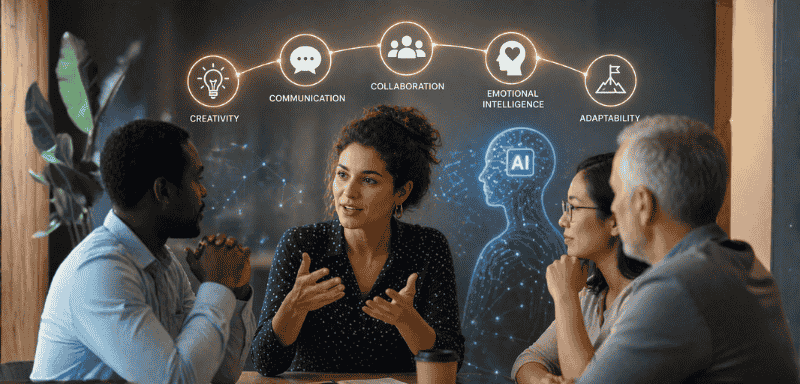
A comunicação eficaz hoje em dia não se resume a editar uma mensagem no Slack, mas sim a garantir que sua mensagem seja adequada ao momento, ao público e ao contexto.
Transmita clareza em canais digitais ruidosos.
Rascunhos gerados por IA podem inundar as caixas de entrada, mas é o toque humano que faz a diferença. Edite para contextualizar, elimine jargões e declare o resultado logo de início para transmitir propósito em cada mensagem.
- Esclareça o que você deseja que o destinatário faça para que ele aja rapidamente, reduzindo a confusão e economizando tempo.
- Escolha palavras que promovam a boa vontade, pois os sinais emocionais ancoram a comunicação à distância e evitam atritos.
- Verifique se o tom da mensagem é incerto. Peça esclarecimentos — “Meu último e-mail fez sentido?” — quando as mensagens digitais não forem claras.
- Resuma os pontos principais em conversas em grupo. Finalizar com "Aqui está a decisão" ajuda a todos a se alinharem novamente.
- Demonstre gratidão pelas contribuições digitais. Um simples "Obrigada por editar esta apresentação, Janine!" aumenta rapidamente o moral da equipe.
Priorizar a influência humana em vez de mera informação transforma atualizações comuns em ações colaborativas, desbloqueando uma nova forma de confiança em equipes virtuais.
Incentive o feedback ascendente e ideias inovadoras.
Convide outras pessoas a desafiarem sua perspectiva. Pergunte: "O que estou deixando passar?" para acolher novos pontos de vista e demonstrar abertura, uma característica essencial na era das habilidades interpessoais e da tecnologia.
- Resista à tentação de responder imediatamente, demonstrando que você valoriza a reflexão — e não apenas a rapidez — ao dar sua opinião.
- O nome acerta e erra igualmente, incentivando a transparência e o aprendizado com a experimentação, mesmo sob a supervisão da IA.
- Encare ideias divergentes como faíscas para melhorias colaborativas, não como ameaças à autoridade. Diga: "Vamos adicionar o seu toque pessoal a esta versão preliminar."
- Vincule o contexto estratégico. "Se este projeto for bem-sucedido, nossos clientes perceberão o valor mais rapidamente." Isso orienta as equipes para os resultados, e não apenas para os processos.
- Registre o feedback nos documentos compartilhados, tornando o aprendizado contínuo e acessível para todas as equipes.
Essas medidas ajudam a cultivar uma cultura de inovação e segurança psicológica — e não apenas de conformidade —, tornando os indivíduos indispensáveis na era da tecnologia voltada para as habilidades interpessoais.
Aprimorando a Inteligência Emocional para Lidar com a Dinâmica de Equipe em Constante Mudança
A transição para equipes mistas de humanos e IA pode gerar atritos e incertezas, mas a inteligência emocional permite orientar a dinâmica do grupo com uma visão consistente.
Observe o impacto: a relutância ou o entusiasmo de um membro da equipe pode mudar o tom de toda a reunião. Prestar atenção a esses sinais mantém o foco nos objetivos coletivos.
Som da sala de leitura quando a IA está presente
A linguagem corporal — movimentos oculares, gestos de espelhamento, microexpressões — permanece invisível para as máquinas, mas você pode identificar os sinais quando a atenção se dispersa ou o entusiasmo diminui em tempo real.
Observe as mudanças: as pessoas se inclinam para frente, franzem a testa ou começam a fazer várias coisas ao mesmo tempo? Esses momentos indicam oportunidades para redirecionar a conversa ou verificar suposições, o que é especialmente valioso na era da tecnologia e das habilidades interpessoais.
Vozes mais suaves e insistentes: "Anna, ainda não ouvimos sua opinião." Esses lembretes criam comunidade e confiança, elementos que a IA raramente reconhece ou repara.
Reparando proativamente as desconexões digitais
Resolver mal-entendidos logo no início evita atritos à distância. Comece com "Gostaria de confirmar nosso plano" nas conversas em equipe, destacando os objetivos comuns e convidando a esclarecimentos.
Se a tensão aumentar, opte por uma chamada individual em vez de continuar a troca de e-mails. Use perguntas abertas — como "Pode explicar seu raciocínio?" — para amenizar o atrito e acelerar a resolução.
Elogios inesperados, como "Ótima mudança de estratégia", podem restaurar a confiança instantaneamente após problemas em fluxos de trabalho automatizados, fortalecendo relacionamentos apesar das lacunas digitais.
Transformando feedback em crescimento: autoaperfeiçoamento contínuo
A capacidade de aproveitar o feedback construtivo como dados acionáveis faz de você um aprendiz rápido. Na era da tecnologia voltada para as habilidades interpessoais, isso o diferencia das respostas previsíveis e estagnadas que a IA pode fornecer.
Peça exemplos concretos do que você fez bem e onde poderia melhorar, eliminando a ambiguidade do seu processo de desenvolvimento.
Criando seu Manual de Feedback Pessoal
Anote três comportamentos que você gostaria de mudar neste trimestre. Por exemplo: “Enviar menos e-mails, porém mais claros” ou “Fazer uma pausa antes de responder”. Esse plano de ação ajuda a transformar conselhos vagos em hábitos específicos e repetíveis.
Agende sessões de revisão curtas e regulares com seus colegas. Verificar o progresso uma vez por mês mantém as melhorias visíveis e sustentáveis, um método que os computadores não conseguem reproduzir de forma consistente.
Compartilhe o que aprendeu com os membros da equipe: "Sua sugestão agilizou meu fluxo de trabalho." Isso cria um ciclo de responsabilidade mútua e fortalece a segurança psicológica.
Aprimorando Habilidades Interpessoais: Pequenos Experimentos Fazem a Diferença
Escolha uma área para ajustar a cada semana — como a escuta ativa. Observe como as reuniões mudam à medida que você resume mais em tempo real ou faz perguntas de segundo nível.
Use analogias para verificações mentais rápidas: "Se esta reunião fosse um cruzamento de trânsito, eu estaria passando no sinal vermelho ou dando a preferência?" Analogias diretas promovem a consciência e a responsabilidade.
Documente o que você tentou, o que mudou e o que você vai manter. Essa abordagem prática gera mudanças duradouras na era da tecnologia voltada para as habilidades interpessoais, em vez de intenções vagas.
Colaboração Interfuncional: Humanos Unem Onde Algoritmos Dividem
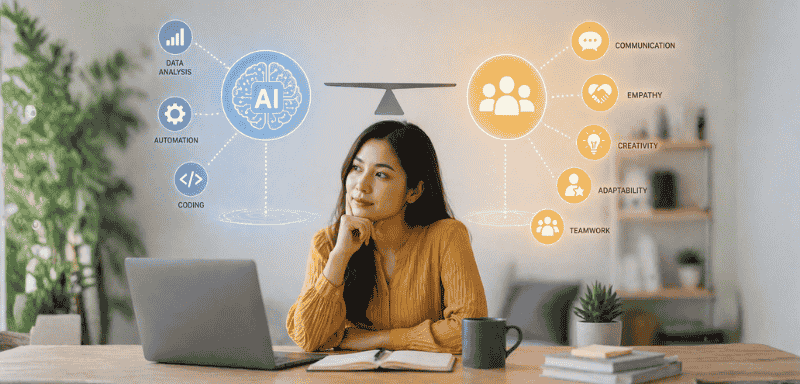
Em meio à complexidade de departamentos, funções e ferramentas de IA, você impulsionará a inovação ao conectar essas divisões. O domínio das habilidades interpessoais na era da tecnologia permite que você promova a união em meio a silos fragmentados.
Colaboração, neste contexto, significa traduzir informações entre equipes: da engenharia para o marketing, da ciência de dados para as vendas ou das políticas para o design — com nuances e paciência que a automação não consegue proporcionar.
Traduzindo jargões e contexto para coesão
As reuniões podem sair do controle quando surgem mal-entendidos sobre termos ou prioridades. Intervenha para reformular a linguagem técnica de forma simples e acessível, garantindo que sua equipe não fique para trás.
Preste atenção aos sinais contextuais — risadas da equipe, comentários paralelos ou silêncio repentino — para descobrir quando o desalinhamento começa a surgir. Use a frase “Parece que estamos dizendo a mesma coisa de duas maneiras diferentes” para alinhar as perspectivas rapidamente.
Isso estabelece pontes entre objetivos e constrói uma visão única, proporcionando valor real na era da tecnologia voltada para as habilidades interpessoais, onde clareza e compreensão superam a perfeição técnica.
Organizando Sessões de Resolução de Problemas em Grupo
Estabeleça regras básicas para um brainstorming inclusivo: rodízio de participantes, tempo de reflexão silenciosa e relatórios estruturados. Isso evita que as vozes mais altas ou mais técnicas dominem os resultados.
Dê feedback sobre o processo, não apenas sobre os resultados: "Vamos tentar uma nova maneira de classificar nossas ideias da próxima vez." Dar o exemplo de responsabilidade gera um comprometimento de longo prazo em toda a equipe.
Mantenha a mudança visível — resuma as conquistas, destaque o que não funcionou e acompanhe o crescimento do grupo. As equipes veem seu progresso e permanecem engajadas à medida que a organização se adapta à era da tecnologia voltada para as habilidades interpessoais.
Desenvolvendo a adaptabilidade em estruturas de equipe em constante evolução.
Com os fluxos de trabalho mudando em ritmo acelerado, a adaptabilidade pessoal mantém você relevante e empregado. É a sua proteção contra os impactos das mudanças e reorganizações da IA.
Assuma novas funções de bom grado, ofereça-se para pilotar a implementação de novas ferramentas ou acompanhe diferentes departamentos. Esse estilo prático faz de você uma peça fundamental para o futuro da sua empresa.
Antecipando as mudanças impulsionadas pela IA
Fique atento aos sinais — como testes de novos aplicativos, indícios de automação por parte da liderança ou menções à "eficiência" em discussões estratégicas. Intervenha desde o início para aprender o básico e questione o propósito e o impacto nas pessoas.
Compartilhe as descobertas durante as reuniões de equipe: "Este projeto piloto substitui duas etapas manuais, mas precisaremos esclarecer os novos pontos de transferência." Prepare as equipes para a onda, em vez de lutar contra a corrente.
Trabalhe em conjunto com especialistas técnicos para identificar os principais problemas no fluxo de trabalho e projetar transições fáceis, consolidando seu papel como um elo de ligação e um dos primeiros a adotar tecnologias voltadas para o desenvolvimento de habilidades interpessoais.
Lidando com a incerteza pessoal com confiança
Reinterprete a mudança de tarefas no trabalho como um aprendizado contínuo de habilidades. "Esta semana, em vez de fazer pesquisas, vou me dedicar a demonstrações para clientes." Aprenda com o desconforto, registrando novas habilidades ou preferências em um aplicativo de anotações, construindo um portfólio de adaptabilidade.
Celebre as curvas de aprendizado com micromarcos — como concluir seu primeiro mapa de processos ou liderar uma reunião de alinhamento entre equipes — construindo confiança e uma narrativa clara para as avaliações de crescimento.
Incentive outras pessoas compartilhando "O que me ajudou nessa transição", normalizando a mudança entre grupos de colegas e na cultura da empresa na era da tecnologia voltada para as habilidades interpessoais.
Mentalidade de crescimento: o fator determinante para o sucesso duradouro no trabalho híbrido.
Assumir o controle da sua jornada de aprendizado é crucial para aproveitar o crescimento na era da tecnologia. Os profissionais mais bem-sucedidos adotam a mentalidade da era da tecnologia focada em habilidades interpessoais — encarando os erros como aprendizado, não como fracassos.
Isso significa sanar rapidamente as lacunas de habilidades, iterar com base no feedback e experimentar novas normas de equipe em vez de esperar por diretrizes formais da liderança.
Criando seu ciclo de aprendizado contínuo
Defina temas trimestrais: “Aprimorar a clareza nos e-mails da equipe” ou “Incentivar o feedback ascendente pelo menos uma vez por mês”. Use reuniões de acompanhamento para manter o foco, já que lembretes baseados em IA raramente personalizam as opções de crescimento.
Forme grupos de apoio entre colegas. Perguntar “Quem quer feedback mútuo este mês?” mantém a responsabilidade elevada e a curva de aprendizado acentuada, à medida que as demandas da era tecnológica das habilidades interpessoais evoluem.
Documente os resultados, celebre o progresso e atualize seu perfil digital para refletir sua nova fluência, sendo notado pelo crescimento — não pela perfeição ou rotina rígida.
Expandindo sua rede para acelerar a adaptação
Busque comunidades dentro e fora do trabalho para praticar habilidades interpessoais e compartilhar o que funciona. Fóruns online, canais do Slack ou encontros virtuais promovem resiliência e perspectivas diversas em diferentes setores.
Valorize pequenas vitórias: "Implementei um novo formato de reunião e isso aumentou o engajamento." Histórias como essa criam impulso e atraem colaboradores, garantindo sua posição no mercado de talentos da era tecnológica com foco em habilidades interpessoais.
Demonstre vulnerabilidade — compartilhe as falhas como lições, não como passivos. Isso normaliza as curvas de aprendizado, inspirando os colegas a arriscarem mudanças ponderadas e a compartilharem estratégias para o rápido aprimoramento de habilidades.
Redefinindo prioridades para um futuro centrado no ser humano
À medida que a IA assume tarefas rotineiras, suas ações exclusivamente humanas — como esclarecer mensagens, interpretar ambientes e solicitar feedback — fazem a diferença que mantém as equipes prosperando na era da tecnologia voltada para as habilidades interpessoais.
Invista em aprender a colaborar, adaptar-se e comunicar com impacto, sabendo que essas habilidades continuarão evoluindo tão rápido quanto a tecnologia. As habilidades interpessoais não serão opcionais — elas serão o seu superpoder.
Cada experimento, incentivo ou momento de empatia proativa agrega valor que nenhuma ferramenta ou algoritmo consegue replicar. Deixe que a era da tecnologia voltada para as habilidades interpessoais impulsione sua jornada profissional — sua vantagem está apenas começando.
Em Alta

Perguntas e respostas comuns em entrevistas para uma preparação bem-sucedida para o emprego
Aprenda a responder a perguntas comuns de entrevistas com confiança. Use este guia para se preparar e impressionar seu futuro empregador.
Continue lendo
Como encontrar empregos perto de mim sem diploma: empregos que você pode conseguir agora mesmo
Procurando empregos perto de você sem diploma? Aprenda como encontrar um emprego de nível básico na África do Sul usando sites de empregos locais, networking e muito mais.
Continue lendo
Como a IA generativa está criando novas oportunidades de emprego
Descubra as novas categorias de emprego que surgirão em 2026 graças à IA Generativa, desde Arquitetos de Agentes de IA até Designers de Mídia Sintética.
Continue lendoVocê também pode gostar

Como ganhar até R$ 5.000 por semana com o Uber Eats na África do Sul
Sem necessidade de diploma, sem horário fixo — apenas uma maneira inteligente de ganhar dinheiro. Aprenda como começar a fazer entregas com o Uber Eats na África do Sul.
Continue lendo
Como os assistentes de codificação estão mudando os empregos no desenvolvimento de software
Explore a mudança nas habilidades dos desenvolvedores à medida que a IA assume o código repetitivo, tornando a segurança, a lógica e o design o novo foco principal.
Continue lendo
Como se tornar um segurança: um guia para começar sua carreira
Quer um emprego estável em segurança? Descubra como obter treinamento, licença da PSIRA e começar a trabalhar como segurança na África do Sul.
Continue lendo


